Difference Between Co-op, Multiplayer and PvP
What do Co-op, Multiplayer, and PvP actually mean?
If you've ever tried to pick a game to play with friends, you've probably seen terms like co-op, multiplayer, and PvP on store pages. While they sound similar, each mode delivers a completely different experience. Understanding these differences is the first step to finding the right game for your group.
In this guide, we'll break down what each mode means, the subtypes within each, and when to choose one over another.
What is Co-op (Cooperative)?
Co-op, short for cooperative, is a game mode where two or more players work together against challenges created by the game. You and your friends form a team and fight AI-controlled enemies, solve puzzles, or complete missions as a unit.
The essence of co-op is collaboration: nobody is competing against each other. The objective is shared, and victory (or defeat) belongs to the whole group.
Types of Co-op
Not all co-op works the same way. There are important variations:
- Online Co-op: Players on separate computers or consoles, connected via the internet. The most common format today. Browse online co-op games.
- Local Co-op: Two or more players on the same device, sharing the screen. Perfect for couch gaming. Explore local co-op games.
- Split Screen: A variation of local co-op where the screen is divided to give each player their own view of the game.
- Campaign Co-op: The main story can be played cooperatively from start to finish.
- Drop-in/Drop-out: Friends can join and leave your session at any time without restarting or waiting. Very popular in open-world games.
Classic Co-op example
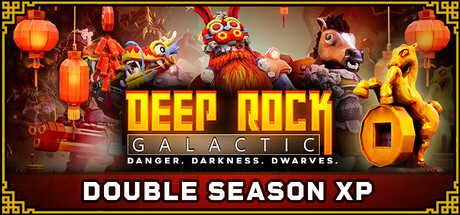
Deep Rock Galactic is one of the best examples of pure co-op. Four space dwarves work together to mine resources and survive in alien caves. Each class has unique abilities that complement the others, making cooperation essential.
What is Multiplayer?
Multiplayer is the broadest and most generic term. It simply means the game supports more than one player. This includes co-op, PvP, and any other interaction between human players.
When a store labels a game as "multiplayer," it's saying you can play with other people, but it doesn't specify how. The game could be cooperative, competitive, or a mix of both.
Why the term causes confusion
The problem is that "multiplayer" is used differently depending on context:
- On Steam and digital stores: usually indicates some online component with other players, often competitive
- In reviews and communities: frequently used as a synonym for "online competitive multiplayer" (like PvP shooters)
- Technically: any game with more than one player, including local co-op
That's why, when searching for games, it's more useful to filter by specific modes like online co-op or online multiplayer rather than just "multiplayer."
Types of Multiplayer
- Online Multiplayer: Players connect via the internet. Can be cooperative or competitive.
- Local Multiplayer: Players on the same device or the same local network (LAN).
- LAN Party: Computers connected to the same local network to play together, a classic PC gaming tradition.
- MMO (Massively Multiplayer Online): Thousands of simultaneous players in the same virtual world.
What is PvP (Player vs Player)?
PvP stands for Player versus Player, meaning you compete directly against other human players. Unlike co-op, the objective here is to outperform your opponents.
PvP is the foundation of competitive gaming and esports. It demands quick reflexes, strategy, and often a significant amount of practice to excel.
Common PvP formats
- 1v1 (Duel): Direct confrontation between two players.
- Team vs Team: Teams of players face off (e.g., 5v5 in games like CS2 or Valorant).
- Battle Royale: Dozens of players on one map, last one standing wins.
- Free-for-all: Every player for themselves, no teams.
Many games combine PvP with cooperative elements, where you cooperate with your team to defeat the opposing team. Discover PvP games.
Comparison table: Co-op vs Multiplayer vs PvP
| Feature | Co-op | Multiplayer | PvP |
|---|---|---|---|
| Players work together? | Yes, always | Depends on the game | No (they compete) |
| Opponents | AI / environment | Varies | Other players |
| Atmosphere | Collaborative, social | Varies | Competitive, tense |
| Ideal for | Casual friends, couples | Depends on the mode | Those who love challenge |
| Skill required? | Teamwork | Varies | Usually high |
When to choose each mode
For relaxed nights with friends: Co-op
If the idea is to have fun without stress, a cooperative game is the best choice. You work together, laugh at mistakes, and nobody gets frustrated from losing. It's perfect for groups with different skill levels.

Lethal Company is a great example: you and your friends explore abandoned moons collecting scrap while bizarre creatures chase the group. The cooperative chaos generates hilarious moments.
For healthy competition: PvP
If your group enjoys competing and doesn't take losses too seriously, PvP games are ideal. The thrill of outsmarting a human opponent is unmatched.
For maximum variety: Mixed multiplayer
Many modern games offer both modes. You can play the campaign in co-op and then jump into PvP. Games like Halo, Destiny 2, and The Division 2 are classic examples of this hybrid approach.
Find games for your favorite mode
Use our filters to search games by mode: co-op, online multiplayer, PvP, split screen and more.
Explore CatalogGames that blend Co-op and PvP
Some of the most popular games don't fit neatly into a single category. They combine cooperative and competitive elements in creative ways:
- Terraria / Valheim: Primarily co-op PvE, but allow optional PvP between players
- Fortnite: Battle Royale PvP, but you play in duos or squads (co-op within PvP)
- Sea of Thieves: Cooperate with your crew, compete against other ships
- Dark Souls / Elden Ring: Co-op to fight bosses, but other players can invade your world (forced PvP)
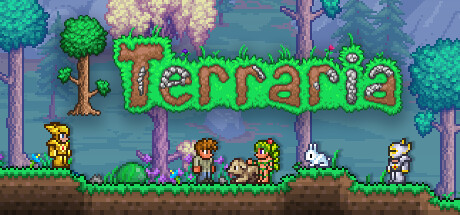
Terraria is a perfect example of a hybrid game: you and your friends build, explore, and fight massive bosses together, but can toggle PvP on for friendly duels whenever you want.
Discover PvP games
Explore our selection of PvP games and find the next competitive challenge for you and your friends.
Browse PvP GamesFinal tip: how to choose the right mode
Before buying a game to play as a group, consider these questions:
- How many people are playing? Some co-op games support only 2 players, others up to 4 or more.
- Is everyone at the same skill level? If there are beginners in the group, co-op is more welcoming than PvP.
- Does everyone own the game? Check if each person needs their own copy or if the game supports sharing (Steam Remote Play Together, for example).
- Online or in-person? If you're in the same location, look for local co-op or split screen games. If you're apart, focus on online co-op or online multiplayer.
Perguntas Frequentes
What's the difference between co-op and multiplayer?
Co-op (cooperative) is a type of multiplayer where all players work together against the game. Multiplayer is the generic term that encompasses any game with more than one player, including both co-op and PvP (competitive).
What does PvP mean in games?
PvP stands for Player versus Player. It's the mode where you compete directly against other human players, rather than fighting computer-controlled enemies (PvE).
Can a game be co-op and PvP at the same time?
Yes! Many games offer both modes. You can cooperate with friends in the campaign and compete against other players in PvP mode. Examples include Destiny 2, Halo, and Sea of Thieves.
Which mode is best for playing with beginner friends?
Co-op mode is ideal for groups with beginner players. Since everyone works together, there's no competitive pressure and the group can progress at their own pace. Games like Deep Rock Galactic and Valheim are great options.